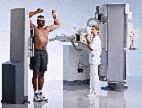
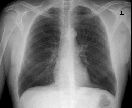
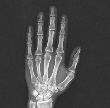

Digital (or computerized) imaging techniques came to x-ray in the 1980s when analog to digital (A/D) converters and computers were also adapted to conventional fluoroscopic image intensifier/TV systems. "Digital imaging" has lead to a similar improvement and renaissance in x-ray just as it has in home and professional audio. Just as many recordings and music albums now sound sharper and better than ever on a digital compact disk (CD) player than on and older (analog) record player, digital x-rays often look sharper and cleaner than the analog version. Many of the fluoroscopic ("fluoro" for short) x-ray procedures described herein have benefited greatly from the addition of digital technology. Further, angiographic procedures for looking at the blood vessels in the brain, kidneys, arms and legs, and the blood vessels of the heart all have benefited tremendously from the adaptation of digital technology.
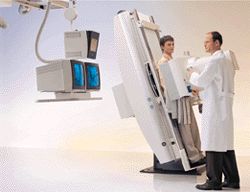
The radiologist views the results of fluoroscopic examination of the upper GI in real time using a digital acquisition